AI Creator vs Human Artist: Who Owns Creativity in the Age of AI?
AI Creator vs Human Artist: Who Owns Creativity in the Age of AI?
AI can now generate images, videos, illustrations, concepts, and advertisements in minutes. A human artist might spend hours—or even days—working on the same creative brief.
That raises a difficult question: if an AI creator and a human artist produce equally impressive work, who should be considered the artist?
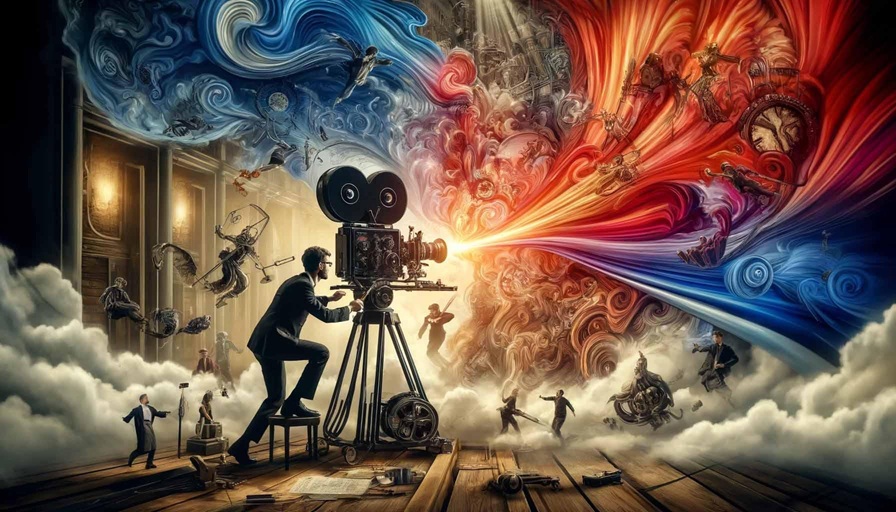
AI Creator vs Human Artist: What Is the Debate Really About?
The debate over AI creators vs human artists is bigger than whether artificial intelligence can generate a beautiful image.
The real debate is about creativity, authorship, skill, originality, artistic labor, technology, and what it actually means to create something.
A traditional artist may draw, paint, photograph, animate, edit, or design every element of a project. An AI creator may instead develop the concept, write and refine prompts, select compositions, reject poor generations, direct revisions, edit outputs, and combine multiple tools to achieve a particular vision.
Both involve human decisions—but the process is clearly different.
What Is an AI Creator?
An AI creator is a person who uses generative artificial intelligence as part of a creative workflow to produce content such as images, videos, designs, advertisements, music, writing, or other digital media.
The AI performs part of the generation process, while the human may provide the concept, instructions, references, selection, refinement, editing, sequencing, and final creative direction.
This distinction matters because using AI does not necessarily mean typing one sentence and accepting the first result.
Experienced AI creators may generate dozens of versions, adjust prompts, control composition and camera direction, maintain character consistency, edit individual elements, combine outputs, and use conventional editing software before reaching the final result.

The Argument for Human Artists
Human artists have a powerful argument: art is more than the final image.
A painter understands how a brush behaves. A photographer learns light, lenses, composition, timing, and perspective. An illustrator can spend years developing anatomy, color theory, storytelling, and a recognizable visual style.
Behind a finished piece may be years of practice, failed attempts, personal experiences, cultural influences, and thousands of deliberate decisions.
Human creativity carries lived experience
Human artists can create from memories, relationships, loss, happiness, frustration, culture, identity, imagination, and personal experience.
Generative AI can produce an image associated with those ideas, but the system itself does not live those experiences in the human sense.
Craft still matters
Another concern is that generating an impressive result quickly should not automatically be treated as equivalent to mastering a creative craft over many years.
From this perspective, the creative process itself has value—not only the final output.
The Argument for AI Creators
AI creators can make an equally important argument: artists have always used tools.
Cameras changed portraiture. Digital photography changed darkrooms. Photoshop changed photo manipulation. Digital drawing tablets changed illustration. Nonlinear editing software transformed filmmaking.
Generative AI may represent another major change in the creative toolset.
The tool does not automatically create the idea
Give the same AI system to ten people and ask them to create an advertisement for the same product. The results can be dramatically different.
Why?
Because humans are still making decisions about the concept, audience, message, visual direction, framing, mood, pacing, selection, editing, and final presentation.
AI can accelerate execution, but knowing what should be created can remain a valuable human skill.
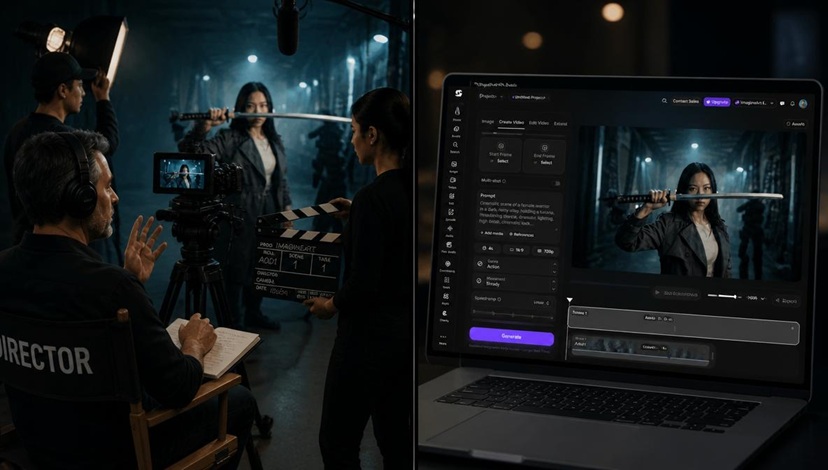
Same Creative Brief: Human vs AI
Imagine this experiment.
A human artist and an AI creator receive exactly the same commercial brief:
Create a cinematic advertisement for a premium coffee brand. The campaign should communicate warmth, craftsmanship, energy, and an upscale lifestyle.
The human creative spends eight hours developing the concept and producing the final visual.
The AI creator spends 45 minutes prompting, generating alternatives, directing revisions, compositing, and editing.
Now imagine that both final advertisements are shown to 1,000 people without revealing which one was created with AI.
If most viewers prefer the AI-assisted version, does that make it better art?
If the human version required substantially more technical skill, should effort influence its value?
And if customers cannot tell which is AI-generated, should the production method matter?
These questions demonstrate why the AI art debate cannot be settled simply by comparing how long each method takes.
Does Creating Something Faster Make It Less Creative?
One of the biggest advantages of generative AI is speed.
A creative team might traditionally spend days developing concepts, storyboards, mockups, revisions, and variations. AI can reduce parts of that process to hours or even minutes.
Businesses naturally see the attraction: faster experimentation can mean lower production costs and the ability to test more ideas.
But efficiency and creativity are not the same measurement.
Something taking longer does not automatically make it more creative. Something being generated faster does not automatically make it better.
The more useful question may be whether the final work successfully communicates an original idea, solves the creative problem, and connects with its intended audience.
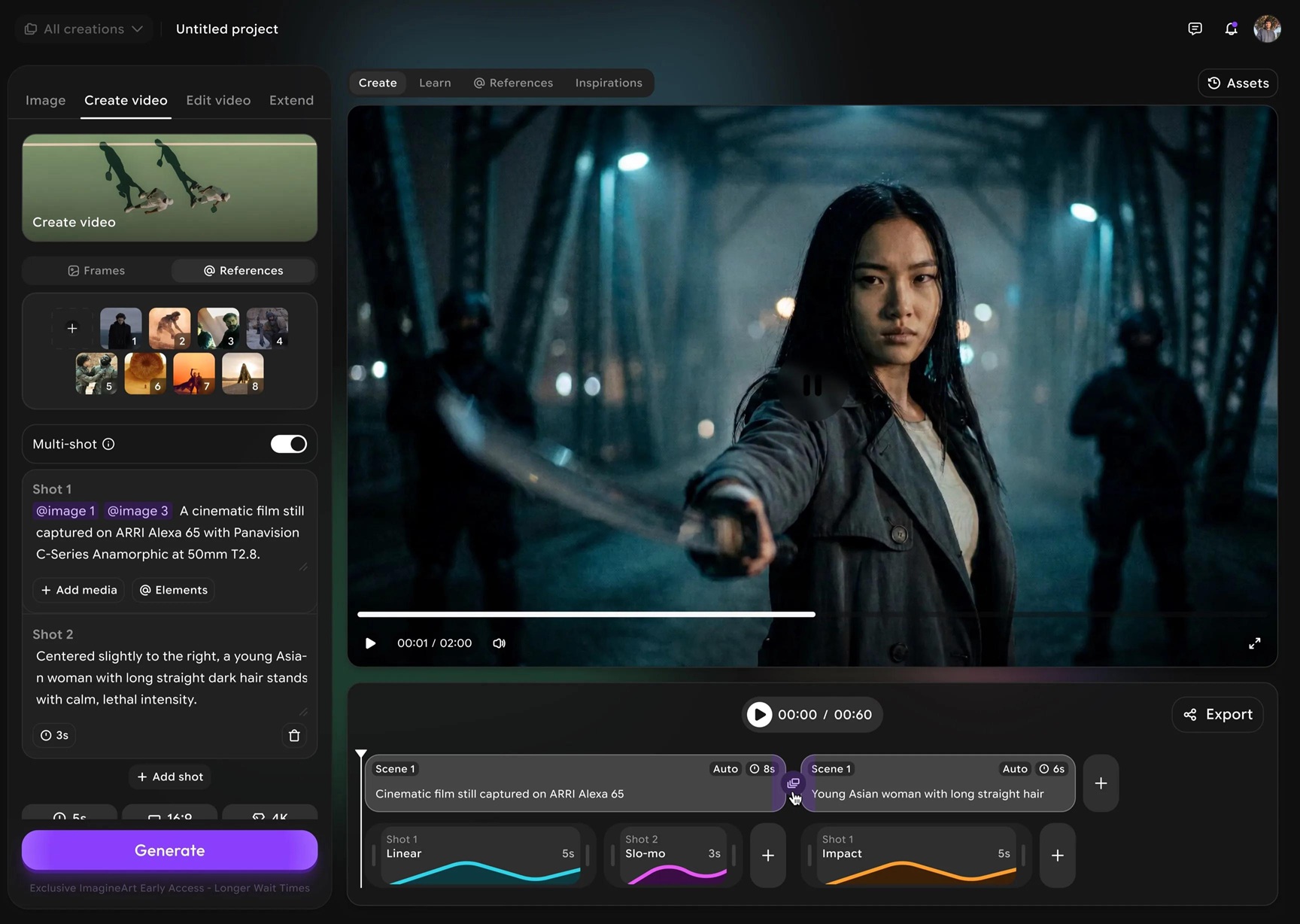
Can AI Replace Human Artists?
AI can already automate or accelerate portions of many creative workflows, but that is different from saying that every human artist will become unnecessary.
Creative work also involves understanding clients, interpreting vague ideas, recognizing context, making strategic decisions, developing stories, responding to feedback, and deciding what should—or should not—be created.
Those responsibilities suggest that the future may not be as simple as AI versus humans.
A more realistic competition may increasingly be:
Human creator vs human creator using AI.
Artists, designers, filmmakers, marketers, photographers, and other professionals may incorporate AI into parts of their workflow while retaining human judgment and traditional creative skills where they provide the most value.
The Ethical Question Cannot Be Ignored
The debate becomes more complicated when we move beyond productivity.
Artists have raised important questions about training data, consent, attribution, imitation of recognizable styles, copyright, compensation, disclosure, and the effect of large-scale AI generation on creative careers.
These concerns should not be dismissed simply because generative AI is useful.
At the same time, rejecting every AI-assisted creative process as automatically meaningless overlooks the human decisions that can exist within sophisticated AI workflows.
Both sides therefore have legitimate questions worth discussing.
Should AI-Generated Art Be Labeled?
Transparency may become one of the most important standards surrounding AI-generated content.
If AI plays a significant role in producing an image, advertisement, film, illustration, or other creative work, audiences may reasonably want to know how it was created.
Labeling AI-assisted work does not necessarily mean that the work has less value. Instead, disclosure can give audiences additional context and allow them to decide how much the production method matters to them.
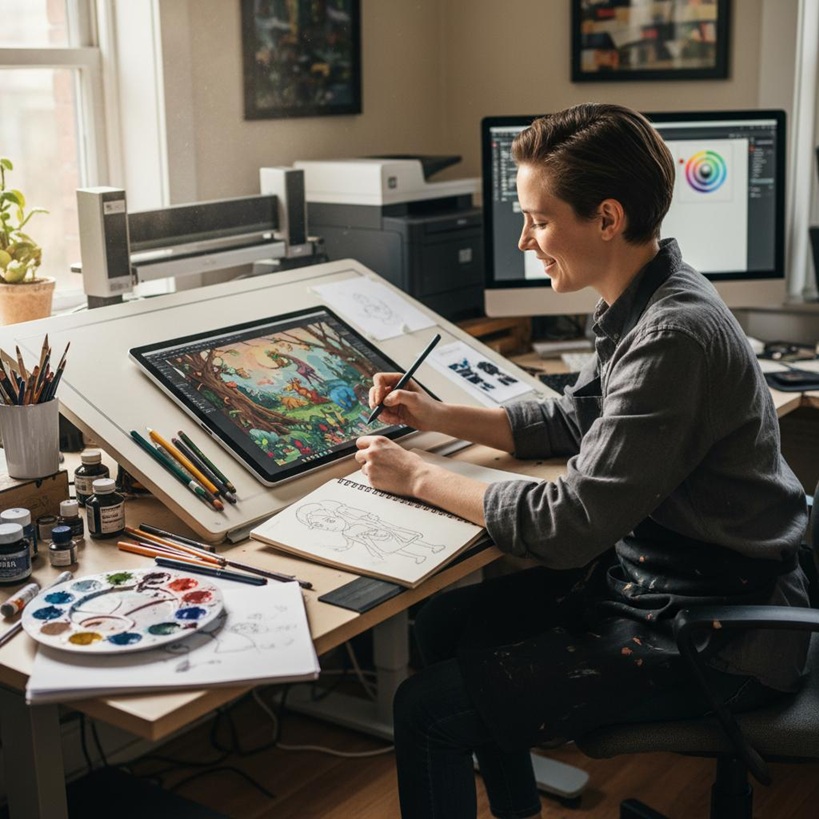
So, Is AI-Generated Art Really Art?
There is no universally accepted answer because the question depends partly on how we define art, artist, authorship, and creative contribution.
If art requires direct human craftsmanship, many AI-generated outputs will fail that definition.
If art is instead defined by human intention, ideas, selection, direction, communication, and emotional impact, some AI-assisted work may fit within it.
That distinction is exactly why the discussion is so interesting.
AI vs Human Creativity: Perhaps We Are Asking the Wrong Question
Technology has repeatedly changed how creative work is produced. Generative AI is doing it again—but at extraordinary speed.
The important question may therefore be less about whether AI itself is creative and more about how humans choose to use increasingly powerful creative tools.
Human artists bring experience, intention, emotion, craftsmanship, culture, judgment, and personal perspective.
AI brings speed, experimentation, scalability, rapid visualization, and new ways to turn ideas into finished media.
The future of creativity may contain both.
Frequently Asked Questions About AI Creators and Human Artists
What is the difference between an AI creator and a human artist?
A human artist traditionally creates work through direct creative techniques such as drawing, painting, photography, design, animation, or filmmaking. An AI creator uses generative AI as part of the production process while providing varying levels of human concept development, direction, selection, refinement, and editing.
Is prompting AI considered a creative skill?
Prompting can involve creative decision-making, especially when it includes concept development, iterative direction, visual references, composition decisions, refinement, and post-production. Whether that makes someone an “artist” remains part of the broader debate.
Will AI replace graphic designers and artists?
AI is likely to automate and accelerate some creative tasks, while other work continues to depend heavily on human judgment, strategy, communication, storytelling, taste, client collaboration, and specialized craftsmanship. Creative roles may therefore change rather than disappear uniformly.
Is AI-generated art the same as human-created art?
No. The production processes are different even when the final results look similar. Human-created and AI-generated works can involve different levels of craftsmanship, automation, direction, editing, authorship, and human input.
Should AI-generated images and videos be disclosed?
Disclosure can provide useful transparency about how content was produced, particularly when audiences could reasonably assume that realistic media represents actual people, places, or events.
Now It’s Your Turn: AI Creator or Human Artist?
Imagine two creators receive the same brief.
One spends eight hours creating the work traditionally.
The other spends 45 minutes directing AI, generating alternatives, selecting the strongest result, and editing it.
You see both finished pieces—but you don’t know which is which.
Which one should be worth more?
And here’s the bigger question:
Should the AI creator be called an artist, a creative director, an AI operator—or something entirely new?
Share your position in the comments. Whether you’re a traditional artist, designer, photographer, filmmaker, AI creator, marketer, business owner, or simply someone watching this technology evolve, I want to hear your side.